
Kidney Transplant

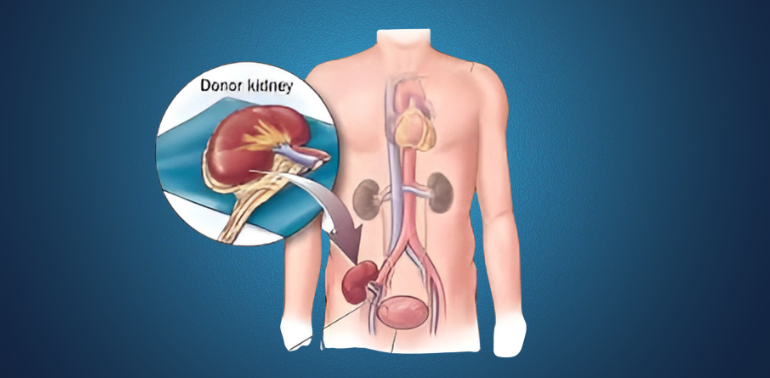
Kidney Transplant: A Lifesaving Procedure
A kidney transplant is a critical procedure for individuals with end-stage kidney disease or severe kidney failure. It replaces a non-functioning kidney with a healthy one from a donor, restoring essential functions such as filtering waste, balancing electrolytes, and regulating blood pressure. This transformative treatment greatly enhances the patient’s quality of life and longevity.
Why Consider a Kidney Transplant?
Kidney transplants are often recommended when other treatments, such as dialysis, no longer provide effective relief. Transplants offer patients the chance to regain independence, improve their overall health, and enjoy a more active lifestyle. With advancements in medical technology, the success rates for kidney transplants have significantly increased.
- Personalized pre- and post-transplant care
- Access to experienced transplant surgeons
- Advanced diagnostic and surgical facilities
- Comprehensive follow-up programs
Frequently Asked Questions
What is a kidney transplant?
A kidney transplant involves replacing a damaged or failing kidney with a healthy one from a donor, either living or deceased. It restores normal kidney function and eliminates the need for dialysis.
Who is eligible for a kidney transplant?
Eligibility depends on factors such as the severity of kidney disease, overall health, and compatibility with a donor. A thorough evaluation by a nephrologist and transplant team determines suitability.
How long is the recovery period after a kidney transplant?
Recovery time varies by individual, but most patients return to normal activities within 6 to 12 weeks. Regular follow-ups ensure the kidney functions properly and complications are managed promptly.
What are the potential risks of a kidney transplant?
While generally safe, kidney transplants carry risks such as infection, rejection of the donor kidney, and complications from surgery. Regular medical care minimizes these risks.