
Polycystic Kidney Disease

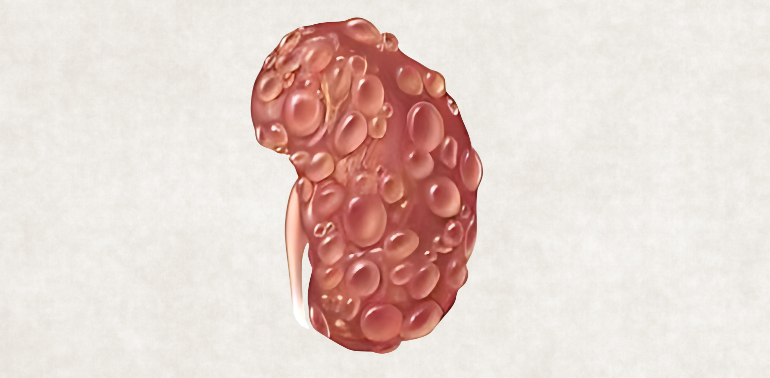
Polycystic Kidney Disease: Understanding and Managing the Condition
Polycystic Kidney Disease (PKD) is a genetic condition characterized by the growth of numerous cysts in the kidneys. These fluid-filled sacs can enlarge the kidneys and impair their function over time. Early diagnosis and proactive care can help manage the disease and slow its progression.
Why Address Polycystic Kidney Disease?
If left unmanaged, PKD can lead to complications such as high blood pressure, chronic kidney disease, or kidney failure. Addressing PKD early ensures better control over symptoms, reduces risks, and enhances quality of life. Specialized care can help prevent severe outcomes.
- Comprehensive kidney function assessments
- Tailored treatment plans to manage cyst growth
- Blood pressure and electrolyte monitoring
- Access to advanced imaging and genetic testing
Frequently Asked Questions
What is Polycystic Kidney Disease (PKD)?
PKD is an inherited condition that causes cysts to develop in the kidneys, leading to enlargement and potential damage over time.
What are the common symptoms of PKD?
Symptoms may include high blood pressure, back or side pain, frequent urinary tract infections, and blood in the urine. Some individuals may remain asymptomatic in the early stages.
How is PKD managed?
Management focuses on controlling blood pressure, maintaining a healthy lifestyle, and using medications or interventions to manage symptoms and complications.
Can Polycystic Kidney Disease be cured?
While there is no definitive cure, early diagnosis and treatment can significantly slow the progression and help maintain kidney health for as long as possible.